What Exactly Happens During a Gas Boiler Service in Harlow?
A gas boiler service is a sequence of checks, not a quick glance
When you book Gas Boiler Servicing, the useful question is not simply whether the boiler is working when the engineer arrives. A proper service examines how safely and reliably it is working, including parts you cannot see during normal use.
The order matters. The engineer starts with the appliance, then checks the parts that carry combustion gases and condensate away, before testing controls and operating performance. This creates a clearer picture than simply resetting the pressure or wiping the case.
Before the boiler is opened
We begin by confirming the appliance details and asking whether you have noticed anything unusual. Changes in heating performance, unusual noises, repeated pressure loss, error codes or discolouration around the appliance can all help direct the inspection.
The area around the boiler also matters. The engineer needs to see the appliance, its pipework and associated components safely. Obstructions, signs of leaks or corrosion, and the condition of visible connections can affect how the service is carried out.
The external flue pipe, which carries combustion gases outside, is considered as part of the appliance installation, not as a separate afterthought. Its outlet, visible joints and surrounding area can provide important clues about damage, obstruction or unsafe fumes.
Inspecting combustion and the heat exchanger
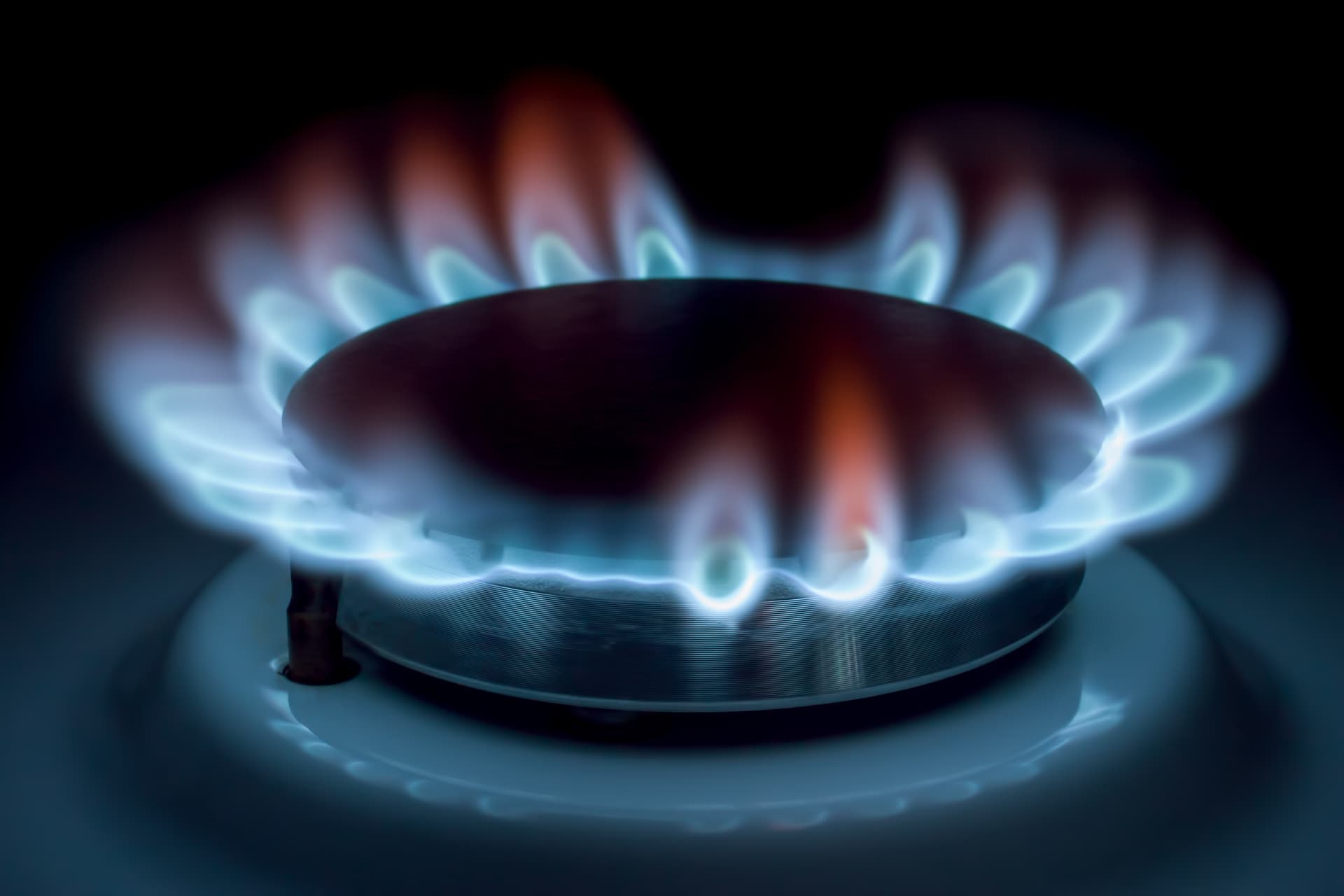
The combustion process is central to a gas boiler service. Gas must burn correctly, and the resulting products must leave the property safely. We inspect the burner and other parts involved in burning the gas for contamination, deterioration and signs that the appliance is not operating as intended.
Where the boiler design allows access, relevant components are cleaned in line with the manufacturer’s instructions. Deposits can affect heat transfer and combustion performance. Cleaning is not about making the inside look tidy. It is about removing contamination that may interfere with safe, controlled operation.
Combustion performance is tested rather than judged by appearance alone. The engineer uses the appropriate tests for the appliance to assess whether it is burning within safe limits. If readings or physical condition indicate a problem, that is a finding requiring explanation, not something to cover up with an adjustment that has not addressed the cause.
Checking the flue, seals and condensate route
A boiler depends on several routes remaining secure and unobstructed. The flue carries combustion products outside, seals help contain the combustion chamber, and the condensate pipe removes acidic water produced as the boiler operates.
We check these areas for damage, deterioration, leakage or restriction. A condensate problem may present as a boiler fault, but the underlying issue can be a blocked or poorly arranged discharge route. Likewise, a boiler can appear to run normally while a flue or seal requires closer attention.
This is one reason a service cannot be reduced to checking pressure. Pressure is only one part of the system. It does not confirm that combustion gases are being managed correctly or that the appliance’s safety components can respond as designed.
Testing controls, pressure and safety devices
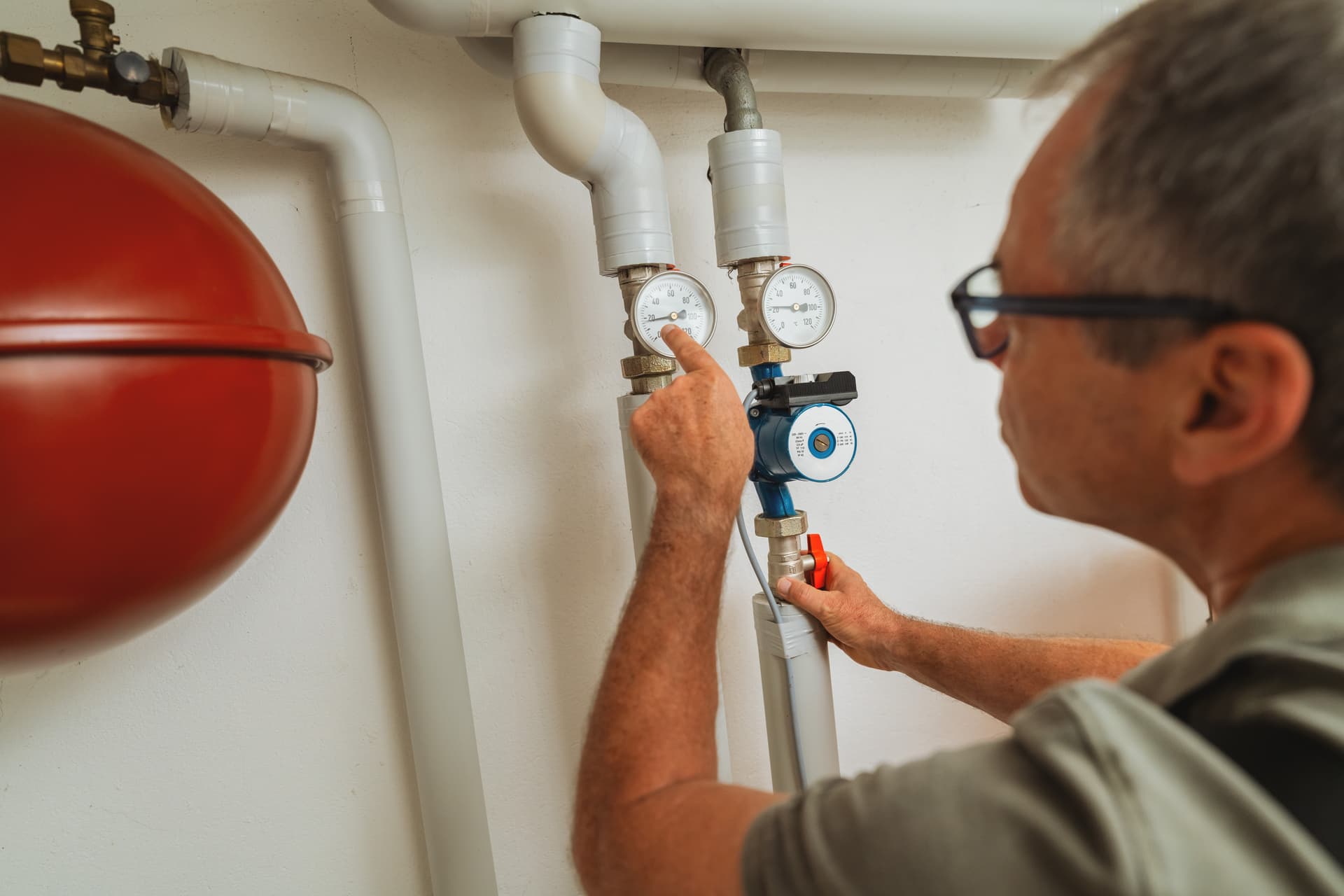
The engineer checks the boiler’s controls and safety functions during operation. This can include confirming that the appliance responds correctly to its controls, that operating pressure is within the appropriate range for the system, and that safety devices are not showing signs of failure or abnormal behaviour.
The correct pressure depends on the boiler and heating system. A pressure reading that looks acceptable on one installation may not tell the full story on another, particularly if the system repeatedly loses pressure. We look for the reason behind a reading rather than treating the gauge as a pass or fail test on its own.
Visible pipework and connections are also checked for signs of water or gas leakage, corrosion and deterioration. If a component is approaching the point where it needs attention, you should be told what was found and what could happen if it is left unresolved. A service should give you useful information, not just a tick in a diary.
What happens if a fault is found?
A service and a repair are different jobs. The service checks the condition of the boiler and may reveal work that needs to be planned separately. We explain what we found, why it matters and whether the boiler can continue operating safely while further work is arranged.
Do not attempt to remove the boiler casing, alter gas components or investigate combustion faults yourself. These tasks require the right training, equipment and legal authorisation. We are Gas Safe Registered, and our heating work covers boiler servicing alongside gas boiler installation and repair in Harlow, Sawbridgeworth and Bishops Stortford.
The service record is part of the job
At the end of the visit, the important information should be clear: what was inspected, what tests were carried out, whether concerns were found and whether any follow-up work is recommended. Keep the service record with your boiler paperwork. It gives you a useful reference when arranging future maintenance or discussing a developing fault.
If you want a gas boiler service in Harlow or the surrounding areas, contact Border Heating Services Ltd to arrange a properly documented visit.