How Long Does a Gas Boiler Installation Take? What Your Property Changes
What determines the time needed for a gas boiler installation?
A boiler replacement is often described as a simple swap, but the boiler is only one part of the installation. The time required depends on how well the new appliance suits the existing heating system, where it will be positioned and what needs to change around it.
If you are comparing installation options, our Gas Boiler Installation service page gives the short answer. Here, we are looking at the property-specific details that determine whether the work is straightforward or requires additional planning.
The most important factor: is it a like-for-like replacement?
A boiler installed in the same position, serving the same heating and hot water arrangement, is usually more predictable than a new installation involving changes elsewhere in the home.
For example, replacing a wall-mounted boiler with a compatible model in the same location may leave the main heating layout largely unchanged. Moving the boiler to a different room, changing from one type of system to another or altering how hot water is stored can introduce extra work.
The property survey needs to establish:
- What type of boiler and heating system is already installed
- Where the boiler, flue (the pipe that carries exhaust gases outside) and condensate pipe (the pipe that carries waste water away) are located
- Whether the existing pipework is suitable for the new appliance
- Whether the heating controls need replacing or adapting
- Whether a hot water cylinder or other system components are involved
This is why a clear installation programme should be based on the actual property rather than a generic time estimate.
Boiler location and flue route
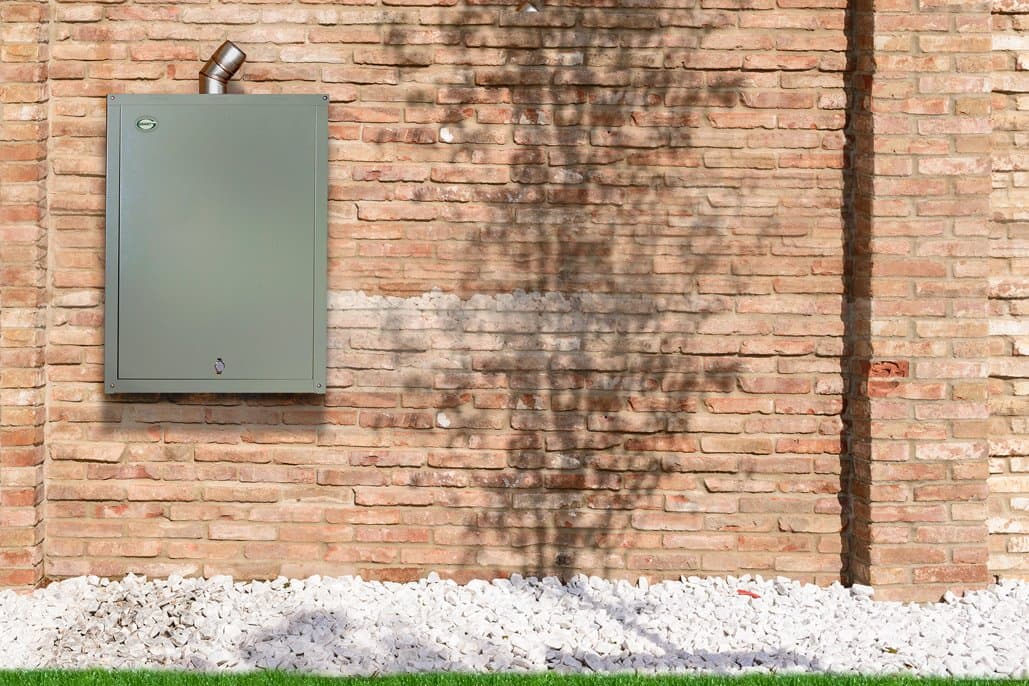
The boiler location affects both access and the route taken by the flue. A flue must discharge safely and comply with the relevant installation requirements. If the new boiler remains in the same position, the existing route may be suitable, but it still needs to be checked rather than assumed.
Moving the boiler can mean planning a new flue route through an external wall or roof area. The route may also affect where the condensate pipe can be connected. These details matter in older properties across Harlow, Sawbridgeworth and Bishops Stortford, where extensions, converted cupboards and previous alterations can make the original layout less obvious.
A boiler cupboard may look suitable from the front while offering limited working room behind or above the appliance. Restricted access does not necessarily prevent installation, but it can change how the work is approached and what preparation is needed.
Existing pipework can change the installation plan
A new boiler must be connected to gas, heating, hot water, electrical and condensate services that are appropriate for the appliance. The condition and position of those connections can vary considerably between properties.
Older homes may have heating pipework that has been altered over several installations. A newer property may have a more consistent layout, but that does not remove the need to check pipe sizes, connection points and system condition. If pipework needs extending, rerouting or replacing, the installation involves more than disconnecting the old boiler and connecting the new one.
The route also matters. Pipework hidden behind finished walls, boxed into cupboards or running beneath floors can require more careful access than exposed connections in a utility room. We assess these practical issues before work begins so the proposed installation reflects what is actually present in your home.
Heating controls and hot water arrangements
The controls can be just as important as the boiler. Your property may have a heating timer, room thermostat, motorised valves (which control water flow) or a hot-water cylinder that needs to work correctly with the replacement boiler.
A straightforward replacement may retain some existing controls if they are compatible and in suitable condition. In other homes, the installation may involve updating controls or adapting the system so the boiler operates as intended. That decision depends on the equipment already fitted, not simply on the age of the boiler being removed.
Hot water demand also affects the plan. A home with a separate cylinder has different connections and controls from one using a combination boiler. If the household’s requirements mean the boiler type or storage arrangement needs reconsidering, the survey must account for that before the installation date is agreed.
Access, preparation and what you can do beforehand
Access through the property can affect how efficiently the work progresses. Narrow hallways, loft locations, parked vehicles, floor coverings and cupboards full of stored items can all make removal and installation more difficult.
You can help by clearing the area around the boiler, keeping the route to it accessible and moving fragile items away from the working space. If the boiler is in a cupboard, remove stored belongings before the survey or installation. Tell us about any access restrictions, concealed pipework or previous building work when arranging the visit.
It is also useful to have your current boiler model and any known heating faults available. This does not replace an inspection, but it helps us understand what may need closer attention.
Why the site survey matters
A site survey is not just a formality. It is where the installation is matched to the property. We look at the boiler position, flue route, connections, controls, access and the wider heating arrangement before confirming the work required.
That process helps separate a genuine like-for-like replacement from a job that needs additional pipework, a revised flue route or changes to the system. It also gives you a clearer explanation of what will happen in your home, rather than leaving important decisions until the old boiler has already been disconnected.
At Border Heating Services Ltd, we carry out gas boiler installations across Harlow, Sawbridgeworth and Bishops Stortford. As Gas Safe Registered engineers and Vaillant Approved installers, we plan the work around the property in front of us, then test and set up the completed system and complete the necessary safety checks.
If you are replacing a boiler and need to understand what your home requires, contact us to arrange a site assessment and installation quote.