Do Smart Thermostats Need a Constant Internet Connection?
The key distinction is what connects to what
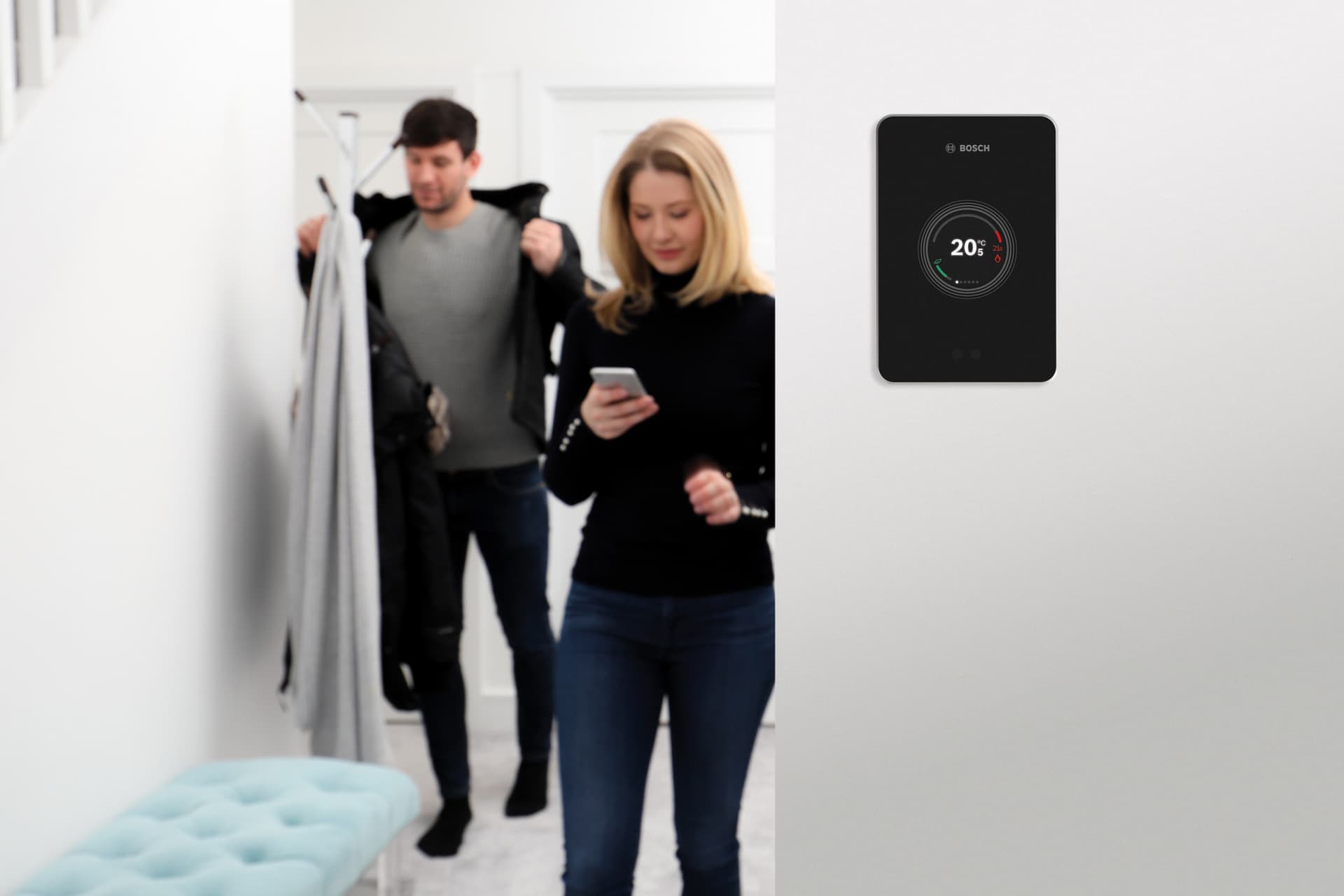
A smart heating system may use several connections: your phone to the internet, the thermostat or central control box to your home Wi-Fi, and a link from the thermostat to a small receiver (a control box) that tells the boiler when to run. The exact arrangement depends on the product. Losing broadband may affect app access without necessarily stopping every part of the heating system, but you should not assume your controls will behave in a particular way until you check the model.
That distinction is useful if you are considering smart thermostat installation in Harlow, Sawbridgeworth or Bishops Stortford. Rather than asking only whether the device uses Wi-Fi, find out which functions depend on the internet and which are handled locally in your home.
Checks you can make before choosing a thermostat
1. Find out what happens to the schedule offline
Look in the manufacturer’s instructions or product information for what the thermostat does when its internet connection drops. Some systems may continue to follow a schedule saved on the device or hub. Others may rely more heavily on an app or cloud service for certain functions. The behaviour varies, so check the exact model rather than relying on a general description of smart controls.
Look for clear answers to questions such as: will the existing schedule continue, can you change the temperature at the thermostat itself, and what happens to settings you try to change in the app while the system is offline? This helps you distinguish a loss of remote convenience from a loss of the control you depend on at home.
2. Check the Wi-Fi where the controls will be
Your phone showing a weak signal in one room is a useful warning, but it is not a definitive test of whether a particular thermostat will connect reliably. Devices can have different network requirements, and the signal at the intended thermostat or hub location matters more than the signal beside the router.
Before choosing a product, check its stated Wi-Fi requirements and compare them with your home network. Think about the route between the router and the proposed control location: thick walls, a different floor and a position at the far end of the property can all affect coverage. In a larger home, test the signal in the room where the thermostat is likely to sit rather than assuming it will match the reception in your living room.
If the product offers a way to check its connection status in an app or on the device, use that information during setup. A phone connection test is only an initial indication. It cannot confirm compatibility or guarantee that the thermostat will maintain a reliable connection.
3. Check how you would control the heating without the app
Consider who uses the heating and how it needs to be adjusted. If someone in the household prefers a physical control, check whether the thermostat has accessible buttons or a screen and what settings can be changed directly. If you expect to make every adjustment remotely, understand which app features stop working when the internet is unavailable.
Also check how a change made in the app is reflected on the thermostat, and whether a manual adjustment changes or overrides the stored schedule. Those details can affect everyday use more than the word “smart” on the packaging.
What you can check, and what needs an installer
You can check your router location, review the thermostat’s documented network requirements and identify how you want to control the heating when your phone or broadband is unavailable. You can also note the make and model of your boiler and existing controls so that compatibility can be assessed.
Do not open the boiler, alter control wiring or try to connect a receiver yourself. The network question is only one part of choosing controls. The thermostat must also be suitable for the boiler and existing control arrangement, and the way it connects to the heating system needs to be assessed safely.
If you are comparing options, make a short list of the functions you need offline, where the thermostat will be placed and whether your Wi-Fi reaches that location. Those details give an installer a practical starting point and help avoid choosing a system based on app features alone.
For an overview of what we offer, see our Smart Thermostat Installation service. Here at Border Heating Services Ltd, we can discuss how your existing controls, boiler and home network affect the choice, so you can understand what to expect before deciding.